Weight Loss Is Not the Goal. Better Health Is.

By Dr. Melissa Herbranson, Cromwell Medical Clinic

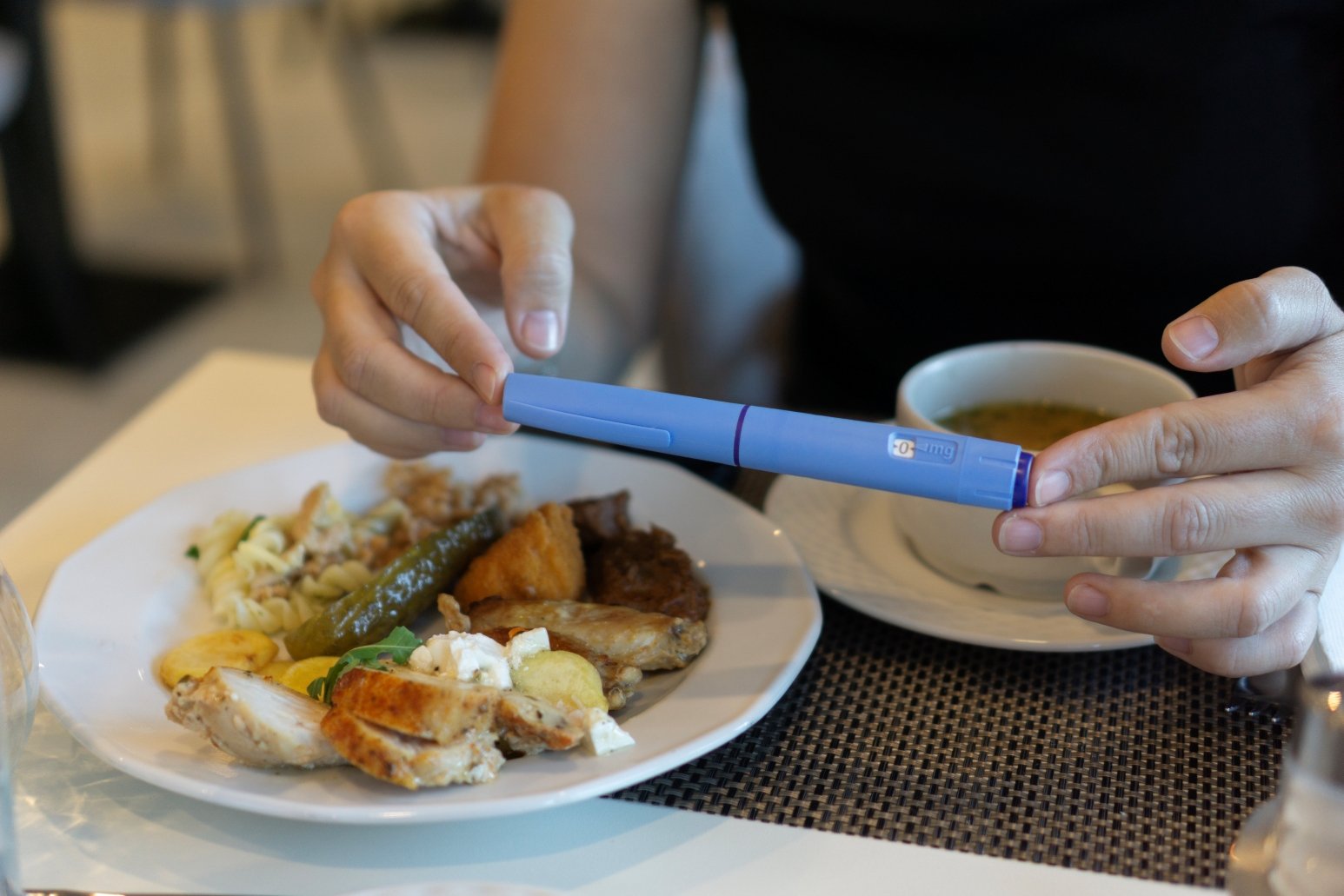
GLP-1 medications have transformed the conversation around weight loss. For many individuals struggling with obesity, insulin resistance, and weight-related health conditions, these medications can be life-changing. However, one of the most important messages I share with patients is that GLP-1 medications are a tool, not a cure.

The true goal should never be simply getting a lower number on the scale. The goal should be improving body composition, metabolic health, and long-term wellness.

One of the greatest risks of rapid weight loss is losing muscle along with fat. Muscle is far more than something that helps us look fit. It is one of the body’s most important metabolic organs. Muscle helps regulate blood sugar, improves insulin sensitivity, supports mobility and balance, and keeps our metabolism functioning efficiently. When patients lose significant muscle mass, their metabolic rate slows, making it easier to regain weight in the future.

This is why we focus heavily on preserving and building muscle during weight loss. In fact, one pound of muscle gained can often correspond with several pounds of fat loss while dramatically improving a person’s overall health profile. At Cromwell Medical Clinic, we use ShapeScale body composition technology to monitor changes in muscle and fat rather than relying on the scale alone.

Another concern occurs when patients unintentionally put their bodies into a starvation-like state. While drastically reducing calories may lower insulin levels initially and produce rapid weight loss, the body eventually adapts by slowing metabolic rate. When the medication is stopped, appetite often returns before healthy habits and muscle mass have been restored. This can lead to elevated insulin levels, fat regain, and what many experts refer to as a “skinny-fat” metabolic picture, where someone appears thinner but has less muscle and poorer metabolic health.

Gut health also plays a significant role in successful weight management. The trillions of bacteria living within our digestive system influence metabolism, immunity, inflammation, and hormone balance. During weight loss, many people fail to consume enough fiber and protein, increasing the risk of constipation, gut dysbiosis, and loss of lean muscle mass.

For many adults, consuming 35 to 50 grams of fiber daily and approximately 100 grams of protein each day can support healthy digestion, maintain muscle, and promote better long-term outcomes. Resistance exercise, combined with appropriate protein intake and, in some cases, creatine supplementation, can further support muscle preservation and growth.

Excess body fat is not simply stored energy. Fat tissue actively produces inflammatory chemicals that contribute to chronic inflammation throughout the body. This ongoing inflammatory burden can negatively affect immune function and contribute to hormone imbalances involving insulin, estrogen, and testosterone. These effects are often amplified when poor gut health is present.

Finally, we cannot overlook the importance of lifestyle factors. Poor sleep, chronic stress, and excessive screen time all negatively affect metabolic health. Improving sleep quality, managing stress, spending time outdoors, and engaging in regular physical activity remain some of the most powerful interventions available for better health.

GLP-1 medications can be an excellent starting point, but lasting success comes from developing healthier habits that support muscle mass, gut health, metabolic function, and overall wellness. Weight loss should never be the finish line. Better health should be.

Dr. Melissa Herbranson practices at Cromwell Medical Clinic. Cromwell Medical Clinic will open a new location in Aitkin, Minnesota, above Aitkin Eye Care Center in October 2026. Functional medicine appointments are currently being scheduled, and insurance-based primary care appointments will begin in November 2026 with plans to accept most major insurance plans. To schedule an appointment or join the waiting list, please contact Cromwell Medical Clinic 218-644-3811 or info@cromwellmedicalclinic.com.